Why Investing in Lagos Real Estate Is Still Profitable in 2026

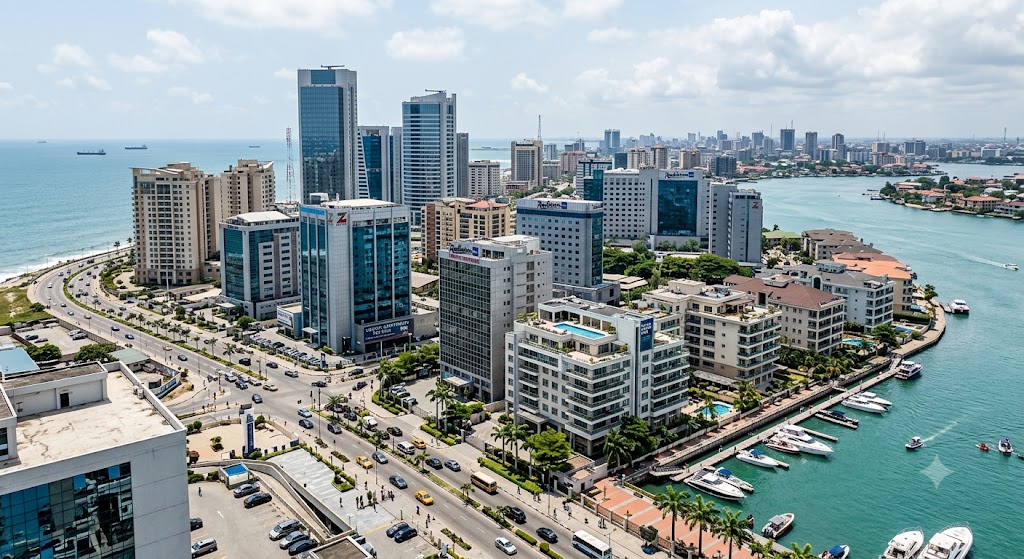
Real estate has long been one of the most reliable ways to build and preserve wealth, and nowhere is this more evident than in Lagos. As Nigeria’s commercial hub, Lagos attracts millions of people seeking employment, education, entrepreneurship, and better living opportunities. Every year, the city’s growing population increases the demand for residential homes, commercial buildings, office spaces, and serviced apartments.
Despite inflation, changing economic conditions, and fluctuations in purchasing power, investors continue to see Lagos as one of the safest and most rewarding places to invest. Unlike many asset classes that experience significant volatility, quality real estate in strategic Lagos locations has consistently appreciated over time while generating steady rental income.
Rapid urbanization has also transformed many previously overlooked communities into thriving investment hotspots. New roads, bridges, business districts, industrial developments, and transport infrastructure have unlocked significant value in several parts of the state. Investors who recognized these trends early have enjoyed impressive returns on their investments.
Another major factor driving demand is the city’s housing shortage. Nigeria faces a substantial housing deficit, and Lagos bears a significant portion of this challenge. As more people move into the city, demand for quality housing continues to outpace supply, creating opportunities for long-term capital growth and consistent rental yields.
For Nigerians living abroad, Lagos property has also become an attractive way to diversify investments and maintain assets in the country’s largest economy. Advances in digital property transactions and improved due diligence processes have made remote investing easier than ever.
Whether you are purchasing your first plot of land, buying a rental apartment, or expanding an existing property portfolio, Lagos continues to present compelling opportunities for investors who make informed decisions.
In this article, you’ll discover why Lagos remains one of Africa’s strongest real estate investment destinations in 2026, the best locations to invest, the opportunities and risks to consider, and how TBIL Property can help you invest with greater confidence.
Why Lagos Remains Nigeria’s Real Estate Capital
Lagos is much more than Nigeria’s largest city. It is the country’s financial, commercial, and innovation powerhouse. From multinational corporations and financial institutions to technology startups and manufacturing companies, Lagos remains the preferred destination for businesses seeking growth.
A Strong Economic Engine
Lagos contributes a significant share of Nigeria’s economic activity. The concentration of businesses, ports, financial services, entertainment, and technology companies creates thousands of jobs every year. This steady economic activity supports continuous demand for both residential and commercial properties.
As businesses expand, employees require housing close to work, while companies seek office spaces, warehouses, retail outlets, and industrial facilities. This creates multiple income streams for property investors.
Population Growth Continues to Drive Demand
Lagos is home to well over 20 million residents, with new arrivals entering the city daily in search of opportunities. This continuous migration fuels demand for:
- Residential housing
- Student accommodation
- Short-let apartments
- Commercial properties
- Retail spaces
- Office developments
Population growth remains one of the strongest indicators of future property demand. Simply put, more people require more places to live and work.
Persistent Housing Deficit
Nigeria’s housing deficit continues to create significant opportunities for developers and investors. Demand consistently exceeds supply, particularly in strategic urban areas.
Because new housing construction has not kept pace with population growth, well-located properties often experience strong occupancy rates and steady rental income.
Infrastructure Is Unlocking New Investment Corridors
Government investment in infrastructure has transformed the Lagos property market over the past decade.
Projects such as:
- Road expansions
- Bridge construction
- Urban renewal initiatives
- Improved transportation networks
- Industrial developments
- Coastal development projects
have significantly increased property values in surrounding communities.
Areas that were once considered distant from the city centre have become highly desirable investment destinations because improved accessibility has shortened commuting times and attracted new businesses.
Business Opportunities Continue to Expand
Lagos remains the preferred location for entrepreneurs and investors launching new businesses.
The city’s thriving ecosystem supports:
- Financial services
- Technology companies
- Manufacturing
- Hospitality
- Retail
- Healthcare
- Education
- Logistics
As these industries expand, so does demand for commercial and residential real estate.
Diaspora Investment Remains Strong
Many Nigerians living abroad continue to invest in Lagos as part of their long-term wealth strategy. Property ownership provides:
- Asset diversification
- Protection against inflation
- Retirement planning
- Rental income
- Legacy creation for future generations
Professional property companies have also made it easier for diaspora investors to purchase verified properties without being physically present.
7 Reasons Lagos Real Estate Is Still Highly Profitable in 2026
1. Strong Population Growth Creates Endless Demand
Population growth remains the foundation of every successful real estate market.
Every year, thousands of people relocate to Lagos for employment, education, and business opportunities. This continuous influx creates sustained demand for housing across various income levels.
Whether investors target affordable apartments, premium estates, or luxury developments, the growing population provides a large pool of potential buyers and tenants.
2. Consistent Property Appreciation
One of the greatest advantages of Lagos real estate investment is long-term capital appreciation.
Historically, strategically located properties have increased in value over time, particularly in areas benefiting from infrastructure development and commercial expansion.
Investors who purchased land years before major developments often realized substantial gains as demand increased and surrounding infrastructure improved.
Although appreciation rates vary by location, investors who adopt a long-term perspective are generally well positioned to benefit from rising land and property values.
3. High Rental Demand Generates Passive Income
Rental income continues to make Lagos one of Nigeria’s most attractive property markets.
Demand remains strong for:
- Family homes
- Apartments
- Student housing
- Serviced apartments
- Short-let accommodation
- Office spaces
- Retail outlets
Properties located near business districts, universities, hospitals, and transportation corridors often enjoy high occupancy rates, allowing investors to generate steady cash flow while their assets appreciate.
4. Limited Land Supply Supports Higher Values
Land is a finite resource, particularly in high-demand locations such as Ikoyi, Victoria Island, and Lekki.
As available land becomes increasingly scarce, competition among buyers intensifies, placing upward pressure on prices.
This scarcity makes well-located land an attractive long-term investment, especially for investors with the patience to hold assets as surrounding development accelerates.
5. Infrastructure Expansion Continues to Create New Opportunities
Infrastructure remains one of the strongest drivers of property appreciation.
New roads, transportation improvements, commercial districts, and public investment often transform previously overlooked communities into thriving residential and business hubs.
Savvy investors monitor infrastructure projects closely because buying before completion can significantly increase the potential for long-term returns.
6. Commercial Development Is Accelerating
Lagos continues to attract local and international businesses looking to expand their operations.
This growth increases demand for:
- Office buildings
- Retail centres
- Warehouses
- Mixed-use developments
- Industrial facilities
Commercial properties often provide attractive long-term income opportunities, particularly in established business districts and emerging commercial corridors.
7. Growing Interest From Foreign and Diaspora Investors
International investors and Nigerians living abroad increasingly view Lagos as a strategic real estate market with long-term growth potential.
Digital property services, virtual inspections, secure payment systems, and improved documentation processes have made investing from overseas more convenient.
Working with experienced firms such as TBIL Property provides additional confidence by offering verified properties, transparent transactions, professional guidance, and assistance throughout the acquisition process.
Rather than navigating the market alone, investors can rely on experienced professionals to identify suitable opportunities that align with their financial goals while helping to reduce common risks associated with property transactions.
I’ll complete the article with Part 3.
Why 2026 May Be One of the Best Years to Invest in Lagos Real Estate
Timing plays a significant role in every investment decision. While no one can predict the market with absolute certainty, several indicators suggest that 2026 presents attractive opportunities for investors looking to build long-term wealth through Lagos real estate.
1. Strong Long-Term Market Fundamentals
Lagos remains Nigeria’s economic powerhouse, attracting businesses, entrepreneurs, students, and professionals from across the country and beyond. This steady influx continues to drive demand for both residential and commercial properties.
Although property prices may fluctuate in the short term, the long-term outlook remains positive because demand consistently exceeds supply in many parts of the state.
2. Continued Housing Demand
Nigeria’s housing deficit remains substantial, and Lagos accounts for a significant portion of this unmet demand.
As the population grows and urbanization accelerates, developers face increasing pressure to deliver quality housing. Investors who acquire well-located properties today are well positioned to benefit from this sustained demand over the coming years.
3. Ongoing Infrastructure Development
Infrastructure investment continues to reshape the Lagos property market.
Road expansions, transport improvements, commercial hubs, and industrial projects are opening up new investment corridors and increasing accessibility to emerging communities. Areas connected to these developments often experience stronger property appreciation than locations with limited infrastructure.
Savvy investors monitor these trends and position themselves before prices fully reflect future growth.
4. Real Estate as a Hedge Against Inflation
Inflation can reduce the purchasing power of cash over time. Real estate, however, has historically served as a tangible asset that helps preserve wealth.
While no investment is entirely risk-free, quality properties in strategic locations have generally maintained their value and often appreciated over the long term. Rental income can also provide an additional stream of cash flow that helps offset rising living costs.
5. Growing Interest From Institutional and Diaspora Investors
Investment in Lagos real estate is no longer limited to local buyers. Nigerians in the diaspora, private equity firms, and institutional investors increasingly recognize the city’s long-term potential.
This growing confidence supports liquidity in the market and reinforces Lagos’ position as one of Africa’s leading property investment destinations.
Why Investors Choose TBIL Property
Choosing the right investment property is only part of the equation. Working with a trusted real estate partner can make the buying process more secure, transparent, and efficient.
TBIL Property is committed to helping individuals, families, and investors identify high-quality property opportunities across Lagos. Whether you are buying your first plot of land or expanding a diversified property portfolio, the company focuses on making the investment process straightforward and dependable.
Verified Properties
Every investor wants peace of mind. TBIL Property emphasizes verified property listings, helping buyers reduce the risks associated with fraudulent transactions and disputed ownership.
Strategic Investment Locations
Rather than promoting properties indiscriminately, TBIL Property focuses on locations with strong growth potential, including emerging investment corridors and established residential and commercial districts.
Diverse Investment Options
Investors have different goals. TBIL Property provides access to a variety of opportunities, including:
- Residential plots
- Housing developments
- Commercial properties
- Investment land
- Buy-to-build opportunities
- Long-term land banking options
Transparent Buying Process
Real estate transactions involve legal documentation and regulatory requirements. TBIL Property guides clients through each stage of the purchase process, helping them understand the documentation required for a smoother transaction.
Professional Investment Guidance
Every investor’s financial objectives are different. TBIL Property assists clients in evaluating locations, investment timelines, expected returns, and property types based on their individual goals.
Documentation Support
Proper documentation is essential when purchasing property. The company helps buyers understand the relevant documentation and due diligence process, reducing uncertainty throughout the transaction.
Flexible Investment Opportunities
Whether you’re investing as an individual, a family, or a Nigerian living abroad, TBIL Property offers investment opportunities suited to different budgets and long-term objectives.
Customer-Focused Service
From the initial consultation to the completion of a purchase, TBIL Property prioritizes responsive communication, transparency, and customer satisfaction.
For investors seeking reliable guidance in the Lagos property market, partnering with an experienced firm can simplify the buying process while helping to identify opportunities aligned with long-term financial goals.
Frequently Asked Questions
1. Is Lagos real estate still profitable in 2026?
Yes. Lagos continues to benefit from population growth, expanding infrastructure, strong housing demand, and limited land supply. These factors support long-term capital appreciation and rental income opportunities for well-chosen properties.
2. Which part of Lagos has the highest appreciation potential?
Emerging areas such as Ibeju-Lekki, Epe, and Sangotedo continue to attract attention because of ongoing infrastructure and industrial development. Established locations like Lekki, Ikoyi, and Victoria Island also maintain strong appreciation due to sustained demand.
3. Is buying land better than buying a house?
It depends on your investment objectives. Land may offer higher long-term appreciation, while residential properties can generate immediate rental income. Many investors include both in a diversified portfolio.
4. How much money do I need to start investing?
Investment budgets vary widely depending on location and property type. Affordable entry points are available in emerging areas, while premium districts require significantly larger capital commitments.
5. Can Nigerians in the diaspora invest safely?
Yes. With proper due diligence and by working with reputable real estate companies such as TBIL Property, diaspora investors can purchase verified properties while minimizing common risks.
6. Which Lagos area is best for rental income?
Lekki, Victoria Island, Ikoyi, Ikeja, Yaba, and Surulere continue to experience strong rental demand because of their proximity to business districts, educational institutions, and commercial centres.
7. Is commercial property more profitable than residential property?
Commercial properties often generate higher rental yields but usually require greater capital and carry higher vacancy risk. Residential properties generally provide more consistent demand and lower entry costs.
8. How can I avoid land scams?
Always verify ownership documents, conduct official title searches, engage a qualified real estate lawyer, inspect the property physically, and work with trusted companies that prioritize verified listings.
9. What documents should I verify before buying property?
Depending on the property, you should review documents such as the Survey Plan, Deed of Assignment, Certificate of Occupancy (where applicable), Governor’s Consent (where applicable), and any relevant planning or title documentation. Professional legal advice is strongly recommended.
10. Why should I invest through TBIL Property?
TBIL Property offers verified property opportunities, strategic investment guidance, documentation support, transparent processes, and customer-focused service, helping investors make informed decisions with greater confidence.
Conclusion
Lagos has consistently demonstrated why it remains the heartbeat of Nigeria’s real estate market. A growing population, expanding infrastructure, vibrant commercial activity, and persistent housing demand continue to create attractive opportunities for investors across different property segments.
Whether your goal is long-term capital appreciation, recurring rental income, land banking, or portfolio diversification, Lagos offers options that can align with a wide range of investment strategies. Success, however, depends on choosing the right location, conducting proper due diligence, and working with experienced professionals.
If you’re ready to begin your real estate investment journey or expand your existing portfolio, TBIL Property can help you explore verified properties, understand the buying process, and identify opportunities that match your financial goals. With professional guidance and a commitment to transparency, you can invest in Lagos real estate with greater confidence and position yourself for long-term wealth creation.